Clinical Evidence
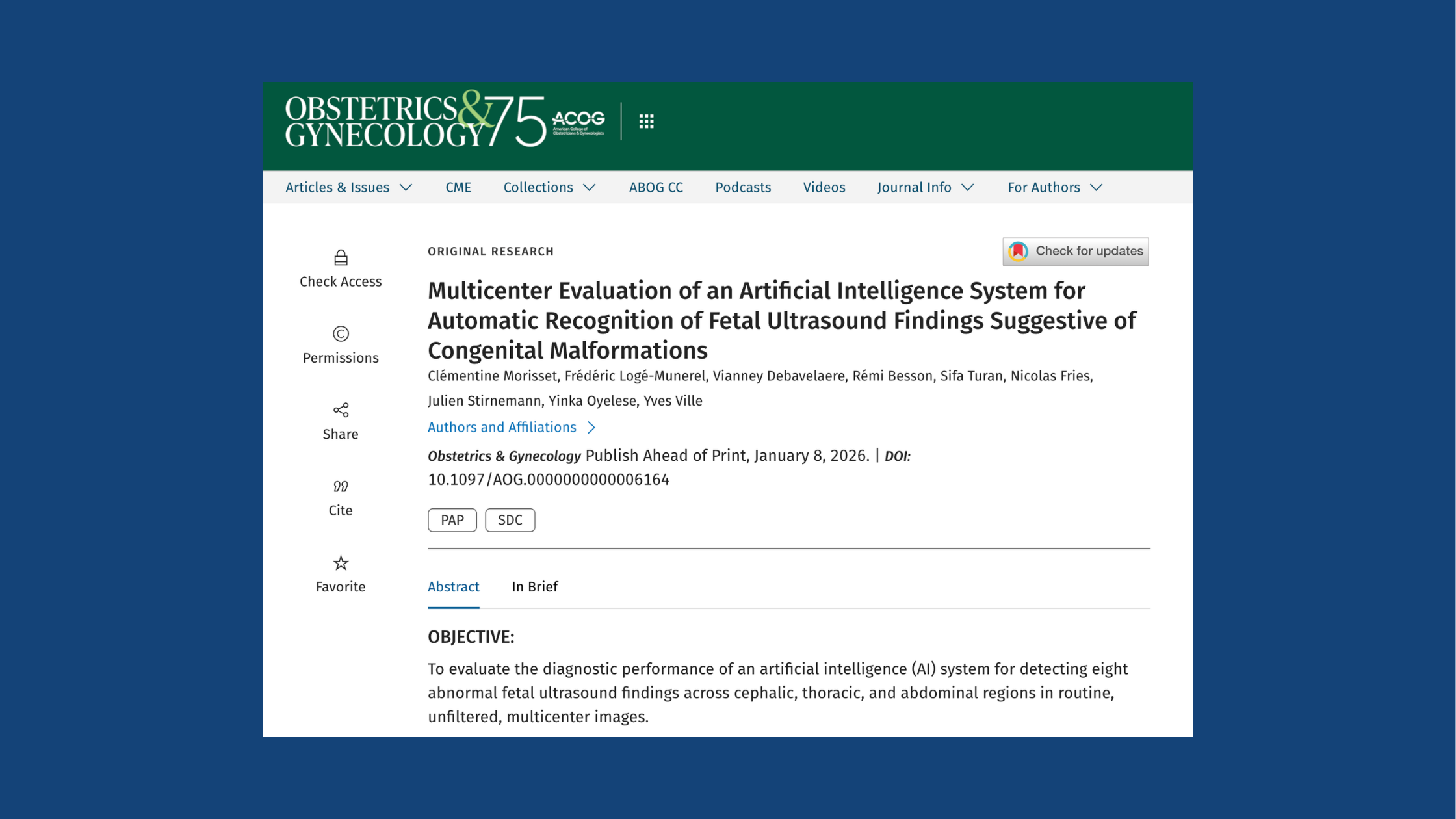
Multicenter Evaluation of an Artificial Intelligence System for Automatic Recognition of Fetal Ultrasound Findings Suggestive of Congenital Malformations
In a heterogeneous, multicenter dataset, the software reliably identified predefined ultrasound findings suggestive of congenital malformations. These results support its potential as a real-time assistant to standardize interpretation and to flag suspicious findings.

Bias in AI Models for Fetal Cardiac Screening: the Consequences of Training Predominantly on Normal Anatomy
AI models trained exclusively on normal fetal cardiac anatomy are unlikely to be reliably generalizable to congenital malformations such as TGA. Incorporating a substantial proportion of pathological cases into the training dataset appears sufficient to mitigate these biases. Nevertheless, robust technical methods to ensure that AI models are largely free from other potential biases remain lacking. Consequently, clinical and scientific evaluation must rely on thorough validation using sufficiently large, independent and diverse datasets, accounting for factors such asmaternal age, race, body mass index, ultrasound machine manufacturer and diagnostic context. This approach, as implemented in the present study, enabled detailed subgroup analyses and the identification of potential areas of underperformance.
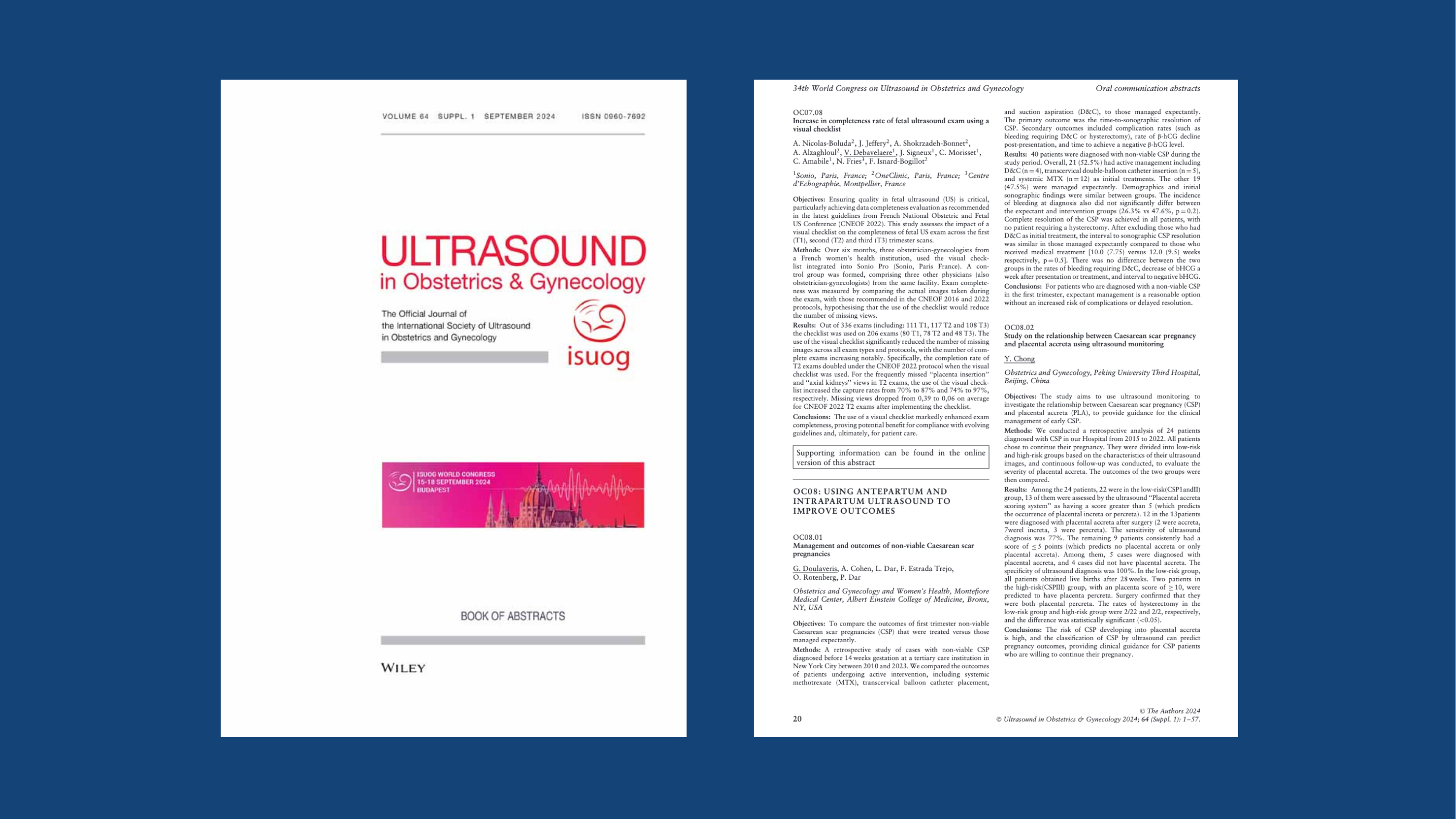
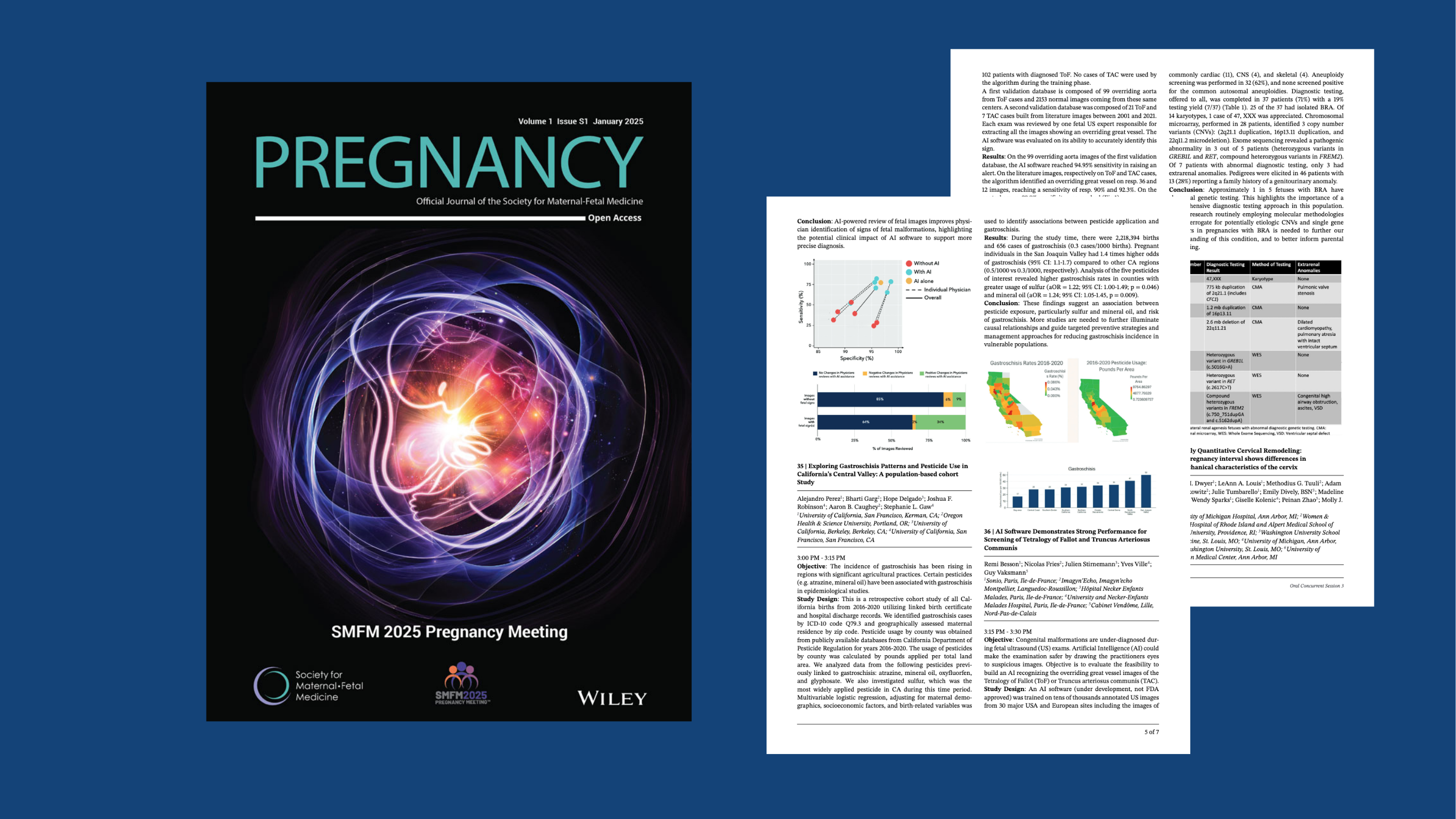
AI Software Demonstrates Strong Performance for Screening of Tetralogy of Fallot and Truncus Arteriosus Communis
This study demonstrated the feasibility in building a reliable alert system for screening of ToF along with the performance of such an algorithm in detecting pathologies non-seen during training (TAC) thanks to including well-known ultrasound semiology to guide the AI learning phase. Further tests on independent DBs from new centers are needed to better assess the AI software's robustness.

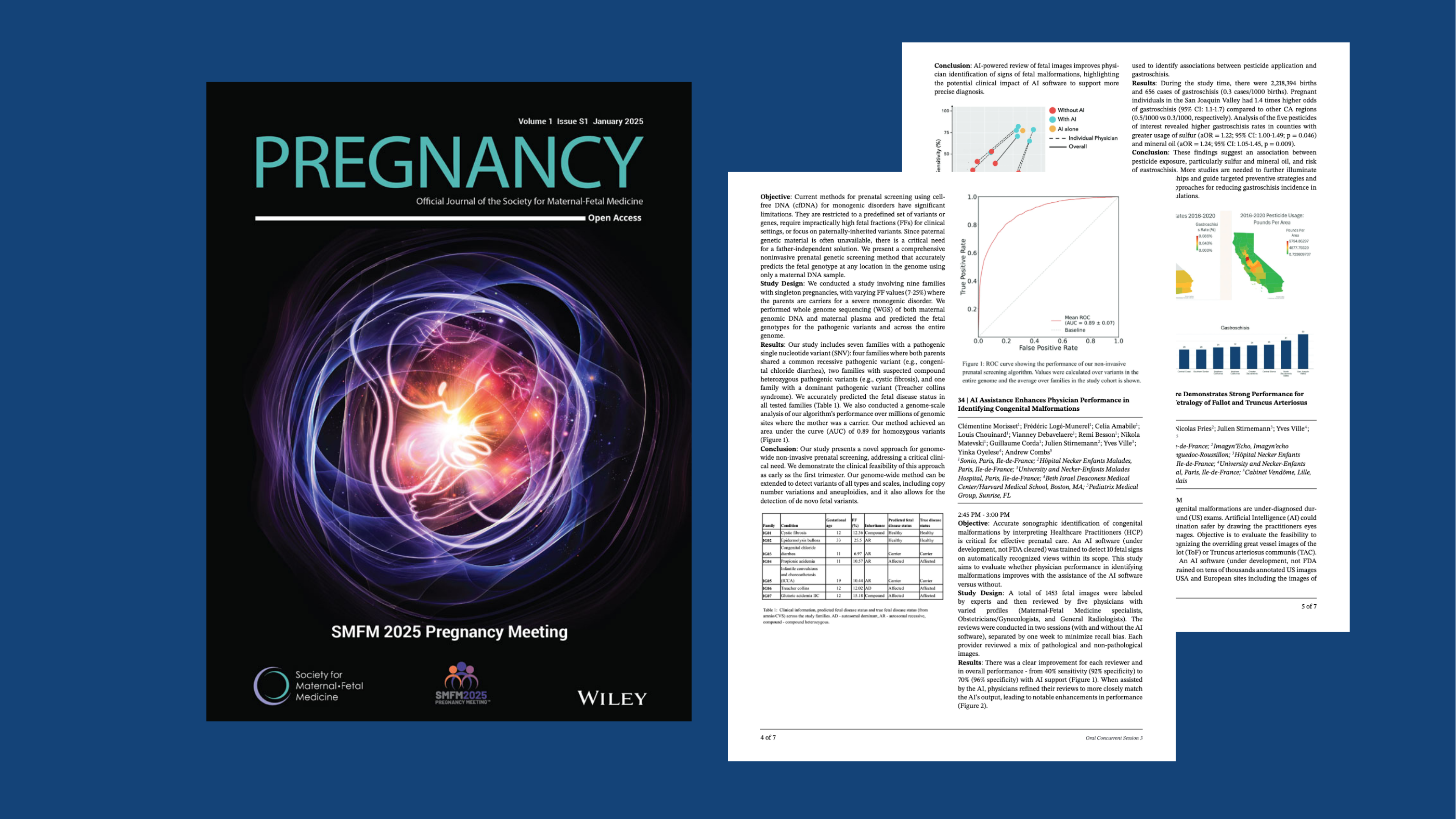
AI Assistance Supports Inter-Physician Agreement in Identifying Abnormal Fetal Ultrasound Findings Linked to Congenital Malformations
The AI software significantly improves reader accuracy while reducing variability in detecting abnormal findings, highlighting its potential to enhance diagnostic efficiency in prenatal care pathways.
.png)
Prenatal Aortic Coarctation Sign Screening Using Automatic AI-Assisted Vessel Diameter Measurement
This study validates AI's potential for automatic AoC sign screening. It offers a fast and reliable alternative to manual measurement methods. However, the AP/Ao ratio alone has limitations for screening CoA prenatally. Other indicators should be investigated. This study used cases detected prenatally, introducing a bias. Future work will look at cases that were diagnosed postnatally.
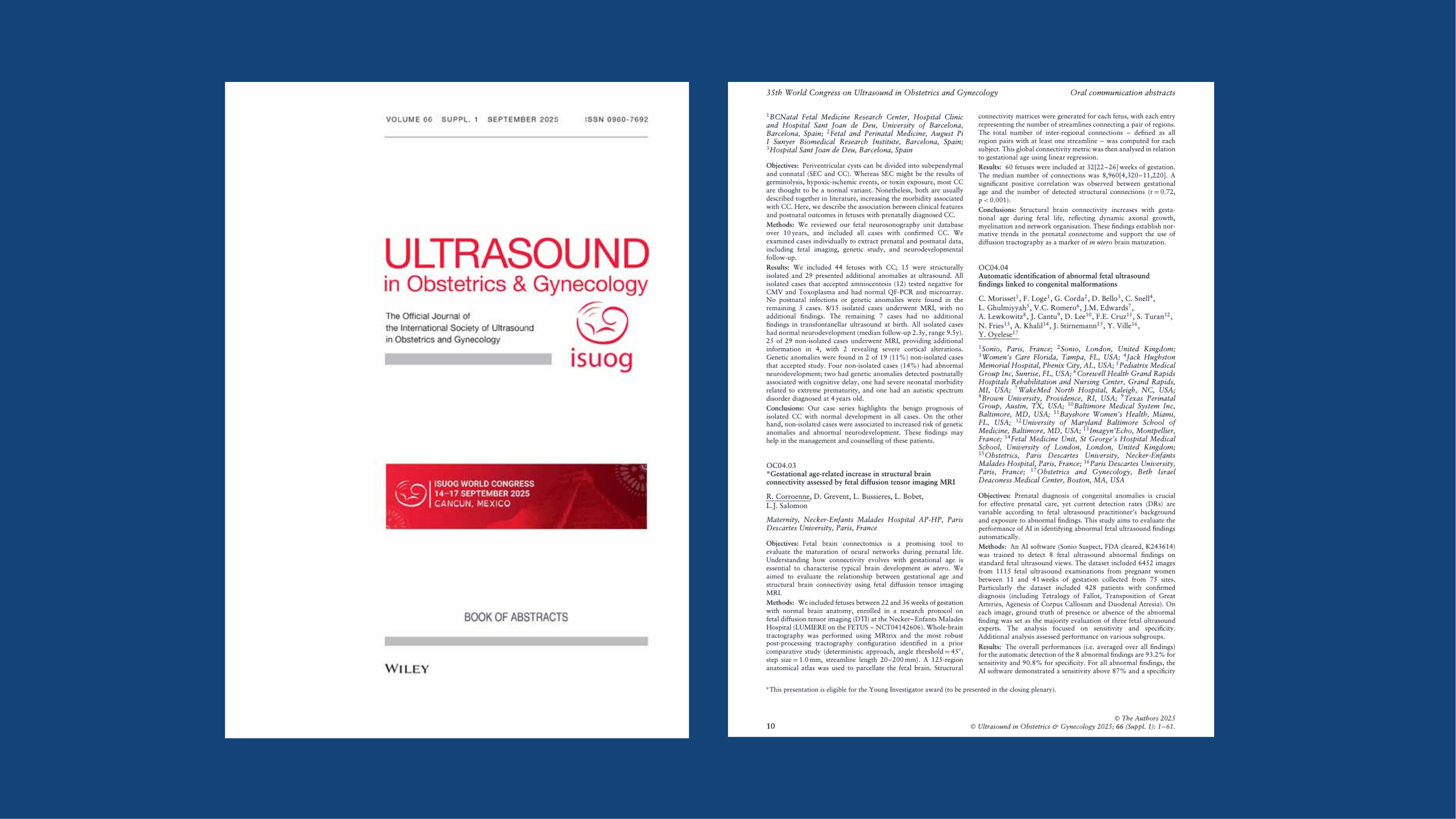
Automatic Identification of Abnormal Fetal Ultrasound Findings Linked to Congenital Malformations
Good performance of the AI software was reported on both sensitivity and specificity. Future studies on the impact of this AI on the reader performance in the real clinical setting still remain to be investigated.
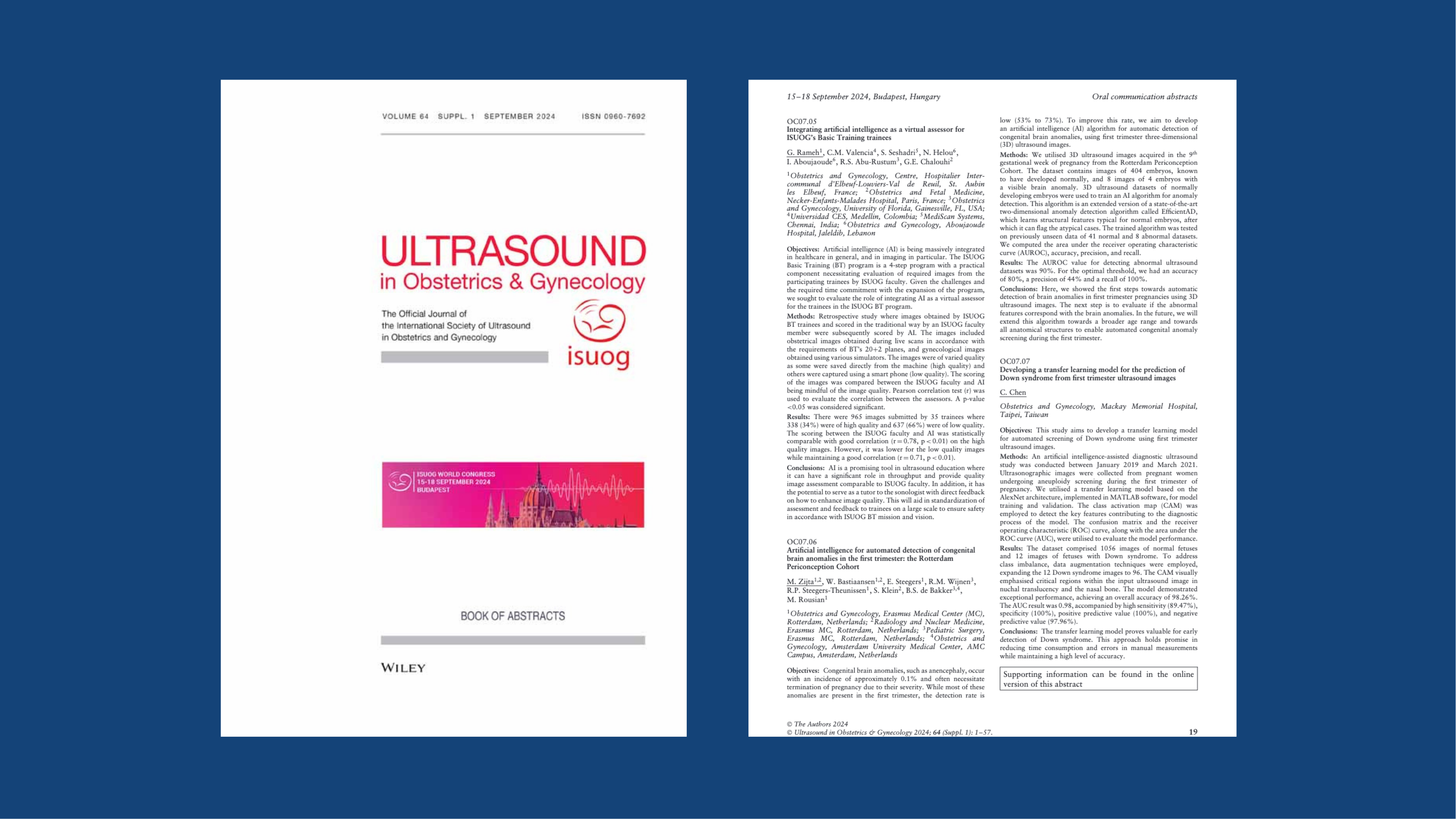
Integrating Artificial Intelligence as a Virtual Assessor for ISUOG's Basic Training trainees
AI is a promising tool in ultrasound education where it can have a significant role in throughput and provide quality image assessment comparable to ISUOG faculty. In addition, it has the potential to serve as a tutor to the sonologist with direct feedback on how to enhance image quality. This will aid in standardization of assessment and feedback to trainees on a large scale to ensure safety in accordance with ISUOG BT mission and vision.

AI Demonstrates High Detection in First Trimester Screening for Spina Bifida
The AI software demonstrates excellent sensitivity for SB detection by detecting absence of IT or CM on the NT view. It was also demonstrated that in practice these structures are not always present on NT images because of variable examination quality. Quality control tools such as this AI software have the potential to improve examination quality and make first trimester SB screening, once reserved for experts, accessible to screeners on a routine basis.

Leveraging AI to Automate Pulmonary Vein Detection: a Path to Improved Total Anomalous Pulmonary Venous Return Screening
Automated QC using AI could enhance compliance with 4CH fetal heart view guidelines by addressing the frequent omission of PV visualization. Such AI use could enhance exam quality by ensuring critical anatomical structures are properly documented and by acting as a safeguard. Flagging the lack of PV visualization could improve CHD screening rates and reduce sonographer variability. As next steps, new models will be explored for TAPVR screening.

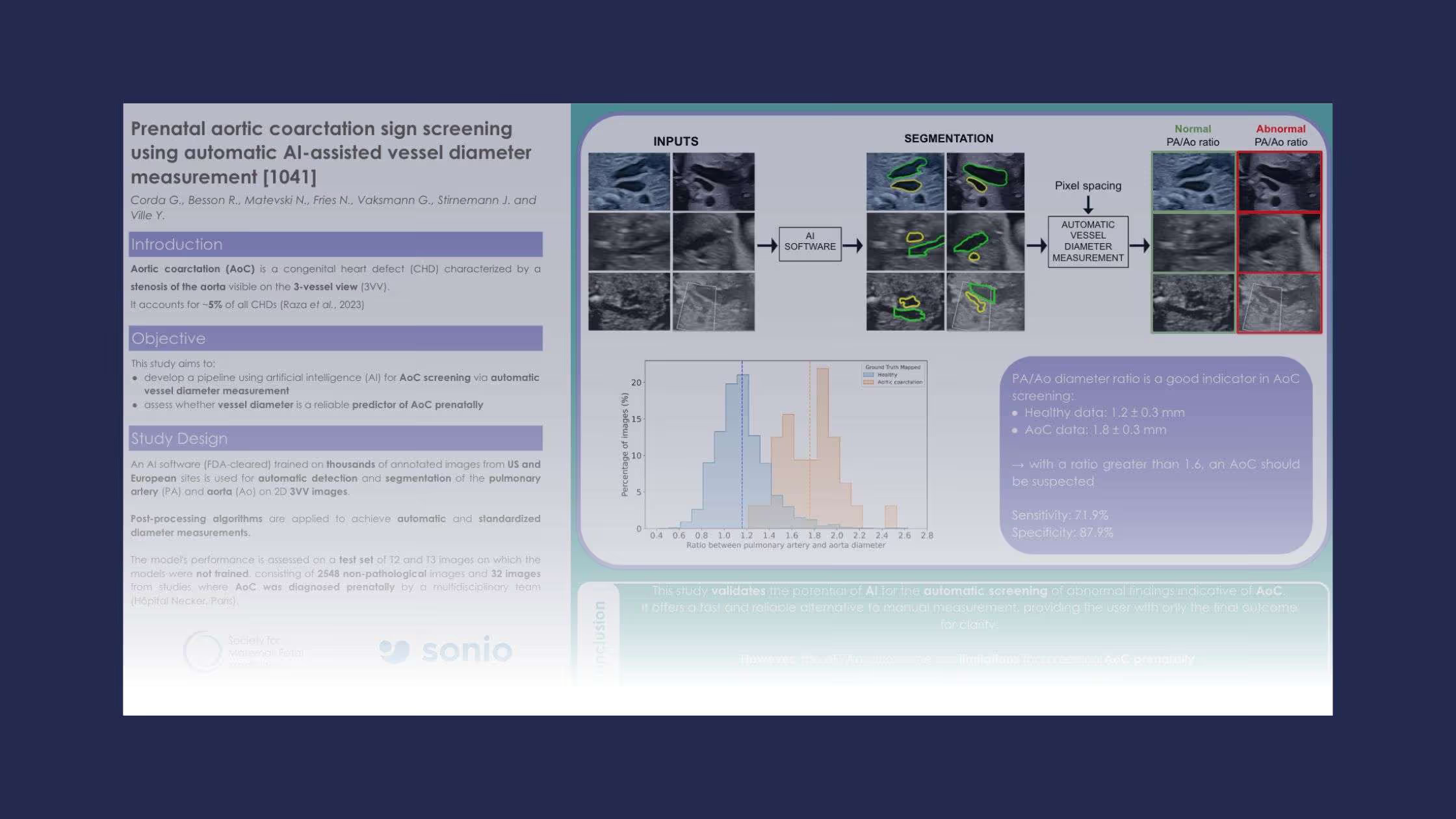
Prenatal aortic coarctation sign screening using automatic AI-assisted vessel diameter measurement
This poster outlines a study aimed at developing an AI pipeline for aortic coarctation screening through automatic vessel diameter measurement and evaluating its potential as a prenatal predictor of AoC.
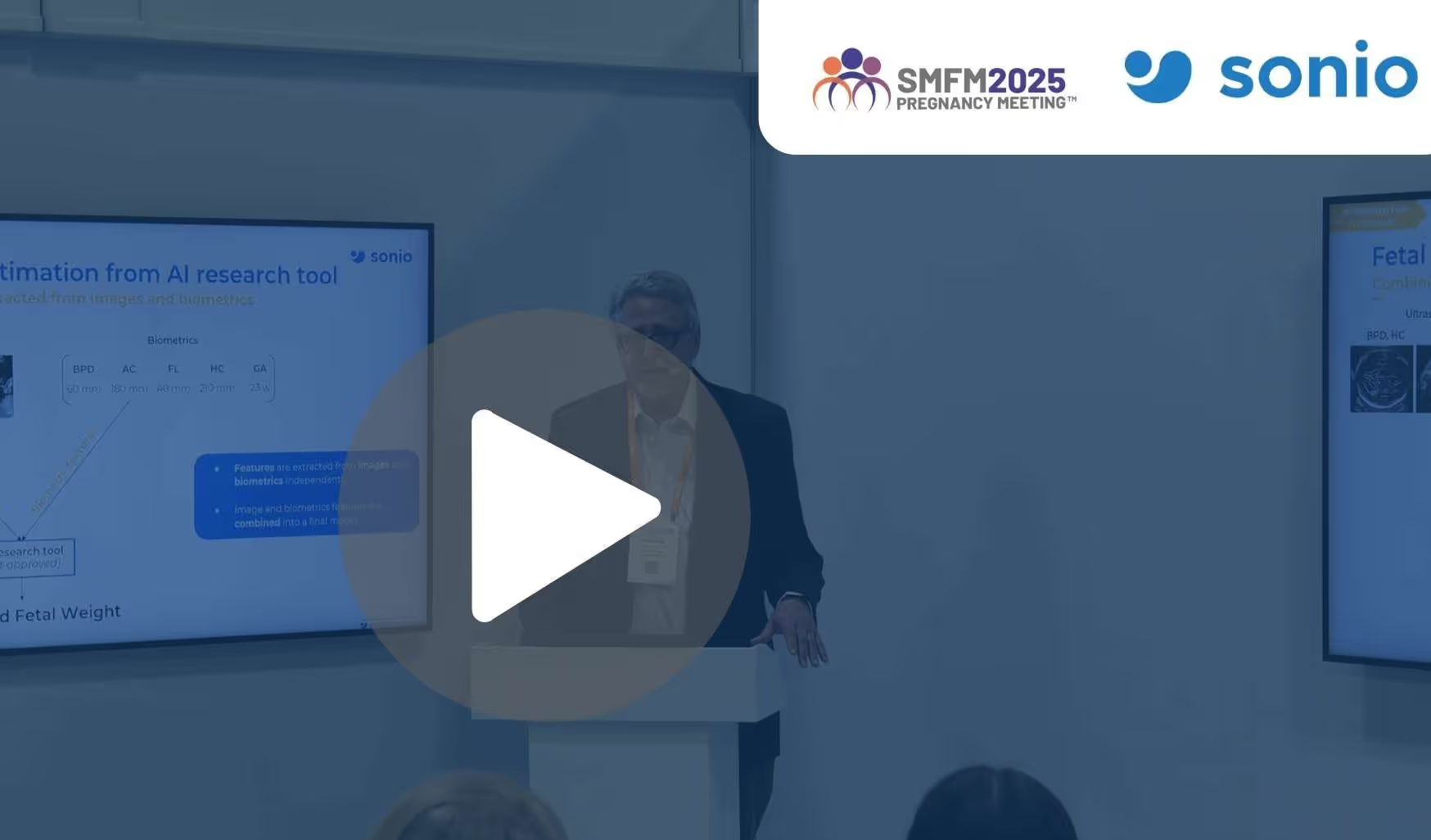
AI-Driven Approaches for Fetal Weight Estimation
Listen to Andrew Combs, MD, PhD, Senior Advisor for MFM Clinical Quality at the Pediatrix Center for Research, Education, Quality, and Safety, as he presents on "Enhancing Fetal Weight Estimation: Promising Results from AI-Driven Approaches" at SMFM 2025.
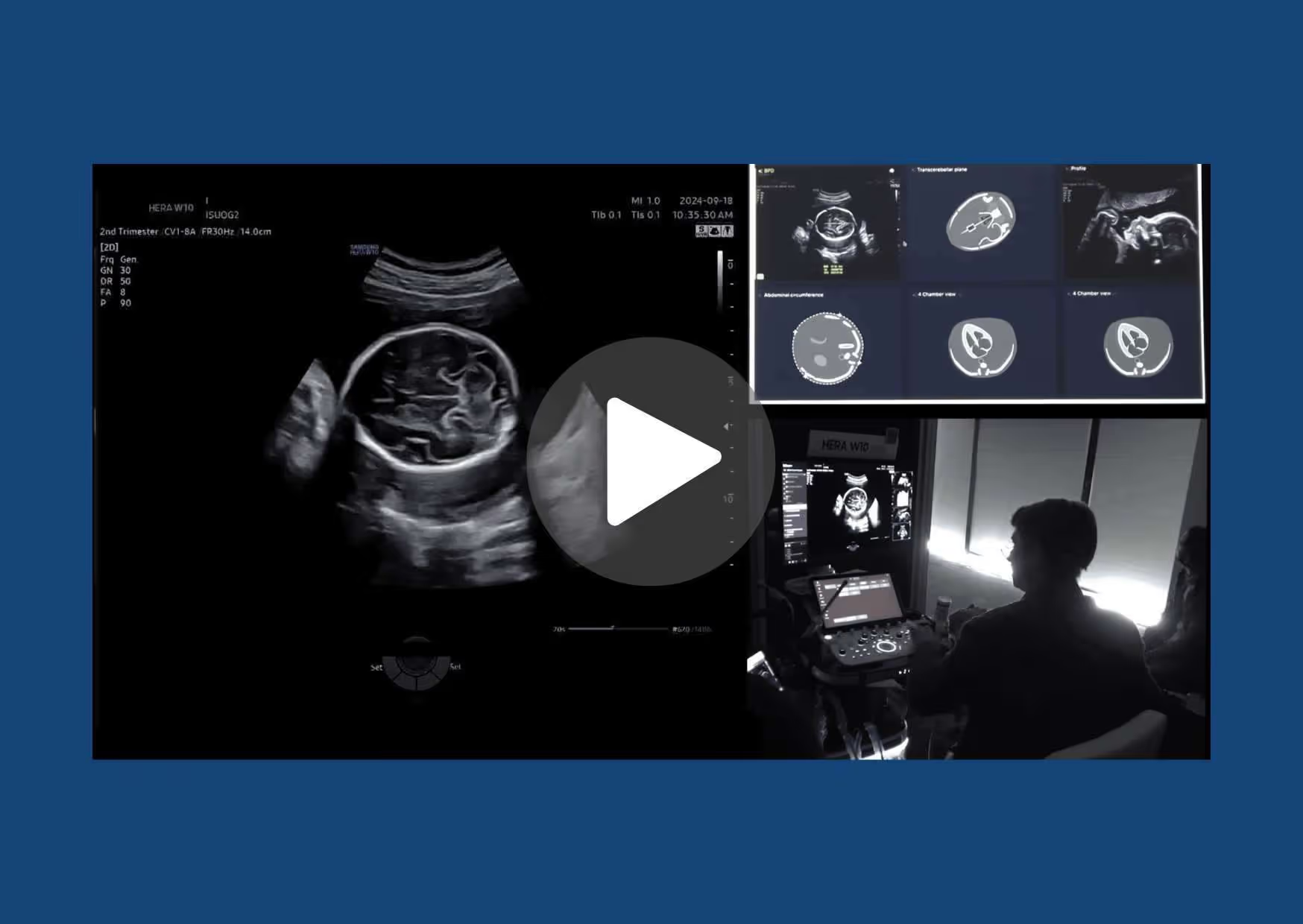
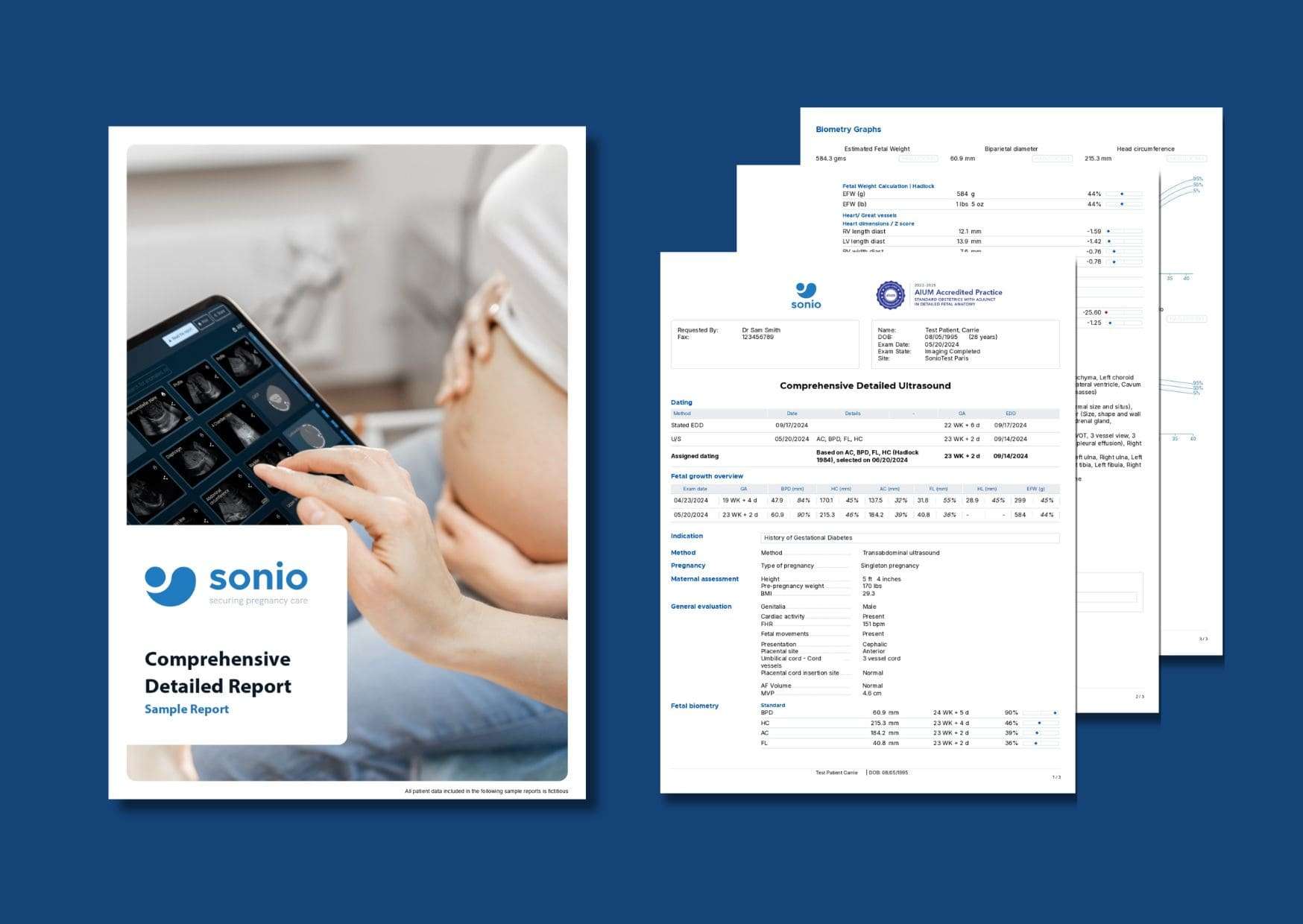
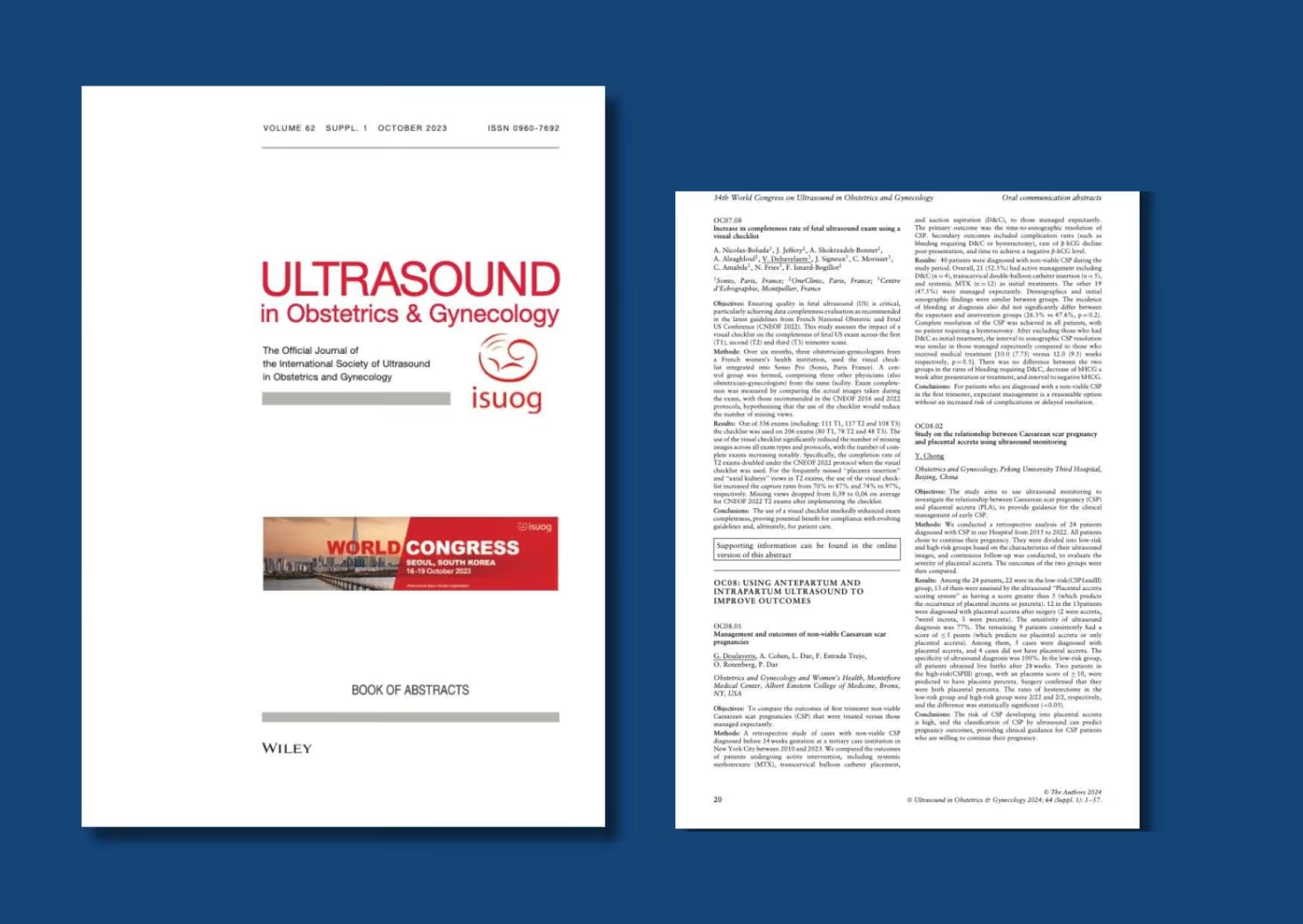
Increase in completeness rate of fetal ultrasound exam using a visual checklist
This study assesses the impact of a visual checklist on the completeness of fetal US exam across the first (T1), second (T2) and third (T3) trimester scans. Over six months, three obstetrician-gynecologists from a French women's health institution, used the visual checklist integrated into Sonio Pro (Sonio, Paris France). Exam completeness was measured by comparing the actual images taken during the exam, with those recommended in the CNEOF 2016 and 2022 protocols, hypothesising that the use of the checklist would reduce the number of missing views.



Performance of an AI Software for Standard Heart Planes Extraction From Heart Clips: study proposal
This study will evaluate the performance of an AI software in extracting standard heart planes from heart clips, particularly will be evaluated if such a tool used in clinical routine can provide automatically extracted planes with similar number of matched quality criteria with reduced time of extraction.

Obstetric Ultrasound Quality Improvement Initiative-Utilization of a Quality Assurance Process and Standardized Checklists
The initial, baseline QA review, [included] […] A total of 110 ultrasound examinations […] with only 49% of examinations deemed “complete”. None of the sonographers had a 100% complete examination rate. […] Results from the first quarter following institution of the checklist revealed that 81% of studies were “complete,” and 90% were complete by year-end assessment.